The Sapphire
Corundum, in its measured blue. Three origins, three temperaments.
Blue, by chemistry
Corundum — aluminium oxide, coloured by traces of iron and titanium. Nine on the Mohs scale; only the diamond is harder. A stone made for every day of a long life.
- Colour — graded by eye, under daylight. Vivid, never dark; the light must move inside it.
- Heat — treatment is common and stated plainly. The unheated stone is the exception, and priced as one.
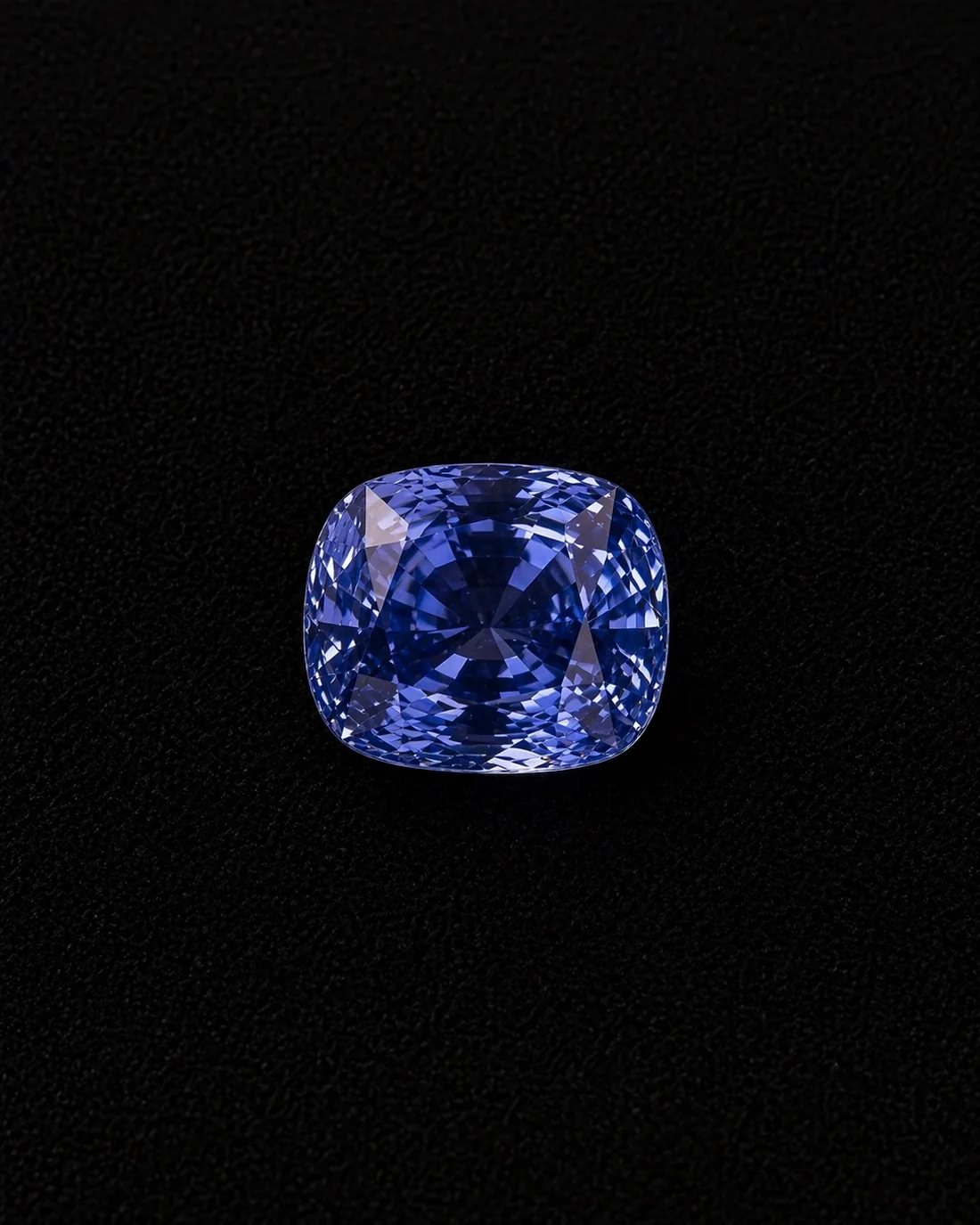
Kashmir — the vanished benchmark
Found high in the Himalaya after a landslide, and mined in earnest for only a few short years in the 1880s. The stones that came out carry a velvet, sleepy blue that has never been found again.
Every fine stone since has been read against the Kashmir sapphire. Almost none survive outside collections — which is precisely the point.
Ceylon — the living classic
Sri Lanka has traded sapphires for more than two thousand years — the island the old texts called Ratna-Dweepa, the island of gems.
- Cornflower blue — the Ceylon sapphire signature: a bright, open blue with light inside it.
- Royal blue — the deeper, regal saturation; the island yields it alongside the brighter cornflower.
- Range — beyond blue, the island gives pinks, yellows, and the rare padparadscha.
- Today — still the origin the Maison turns to first.
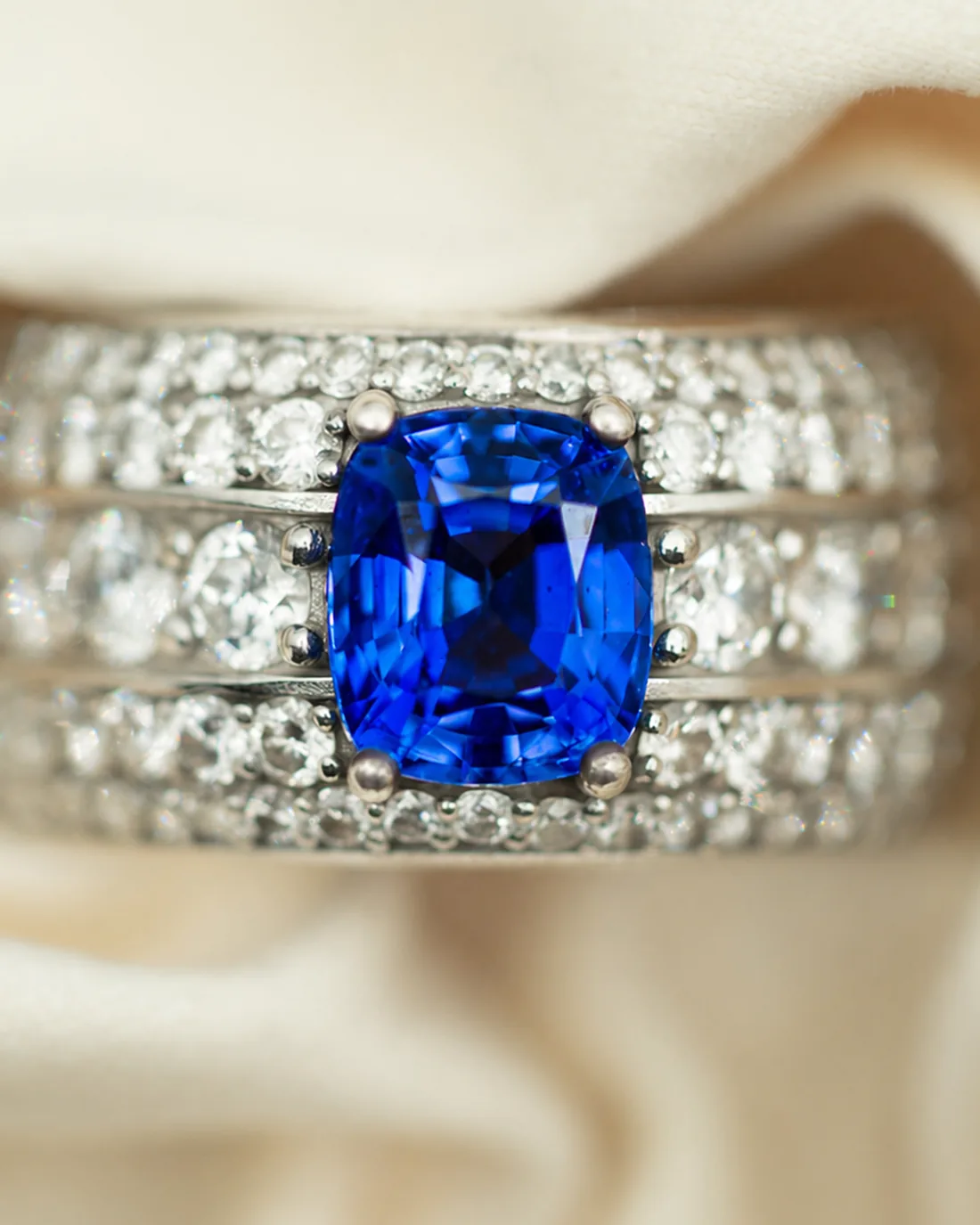
Madagascar — the new chapter
The island entered the trade within living memory — its great deposits found only in the 1990s — and now stands among the most important sources on earth.
- Quality — its finest blues sit beside Ceylon stones without apology.
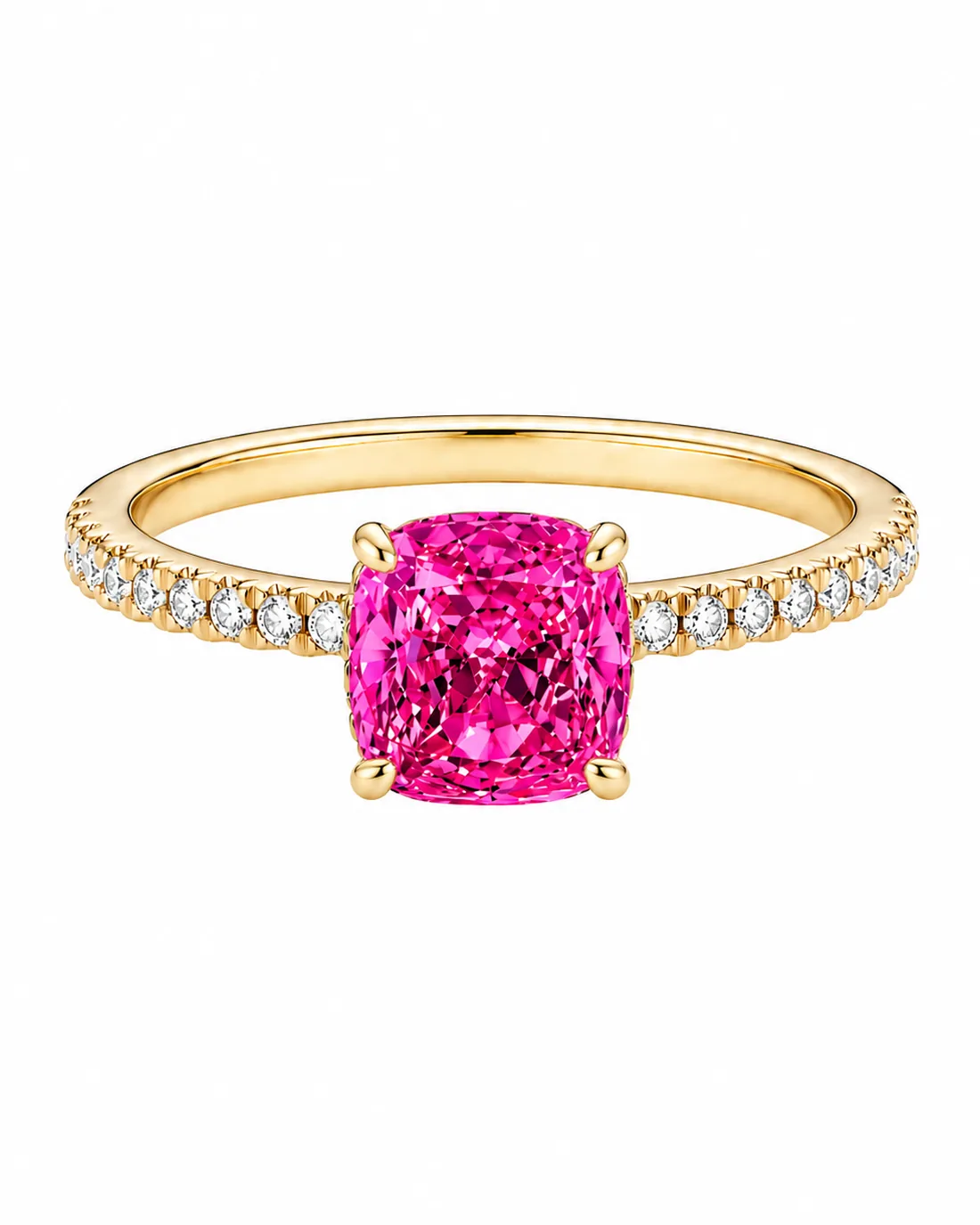
- Beyond blue — Madagascar pinks and purples have become a signature in their own right.
- Value — a young origin is not yet priced like an old name. The eye decides; the label follows.
Origin, in writing
Every sapphire the Maison offers is sourced at origin, vetted for provenance, and accompanied by its treatment status — stated plainly, in writing.
Asked, answered
What makes a Ceylon sapphire special?
Ceylon — Sri Lanka — is very likely the first blue-sapphire source humanity ever knew, and its cornflower blue remains the signature: bright, open, alive even in low light. It is also the Maison founder's ancestral ground — the Ceylon origin briefing tells the fuller story.
What does ‘unheated’ mean on a certificate?
Most sapphires are heated to improve colour — accepted, permanent, and always disclosed. An unheated stone is one the earth finished by itself; the laboratory states it plainly, and rarity prices it accordingly.
What is a padparadscha sapphire?
The lotus-coloured sapphire — pink and orange at first light — named in Sinhala and found in fine quality almost nowhere outside Ceylon. Collectors treat it less as a variety than a pilgrimage.
What the briefing cannot answer, an audience can.
Begin the Conversation